


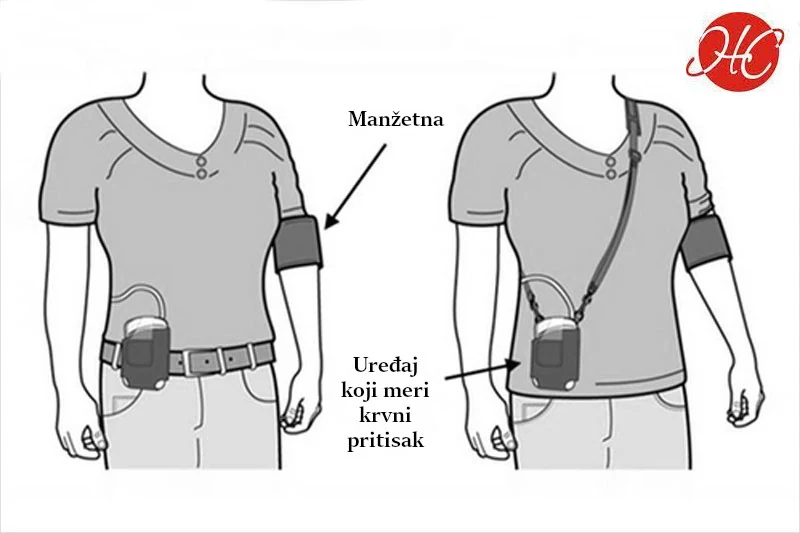
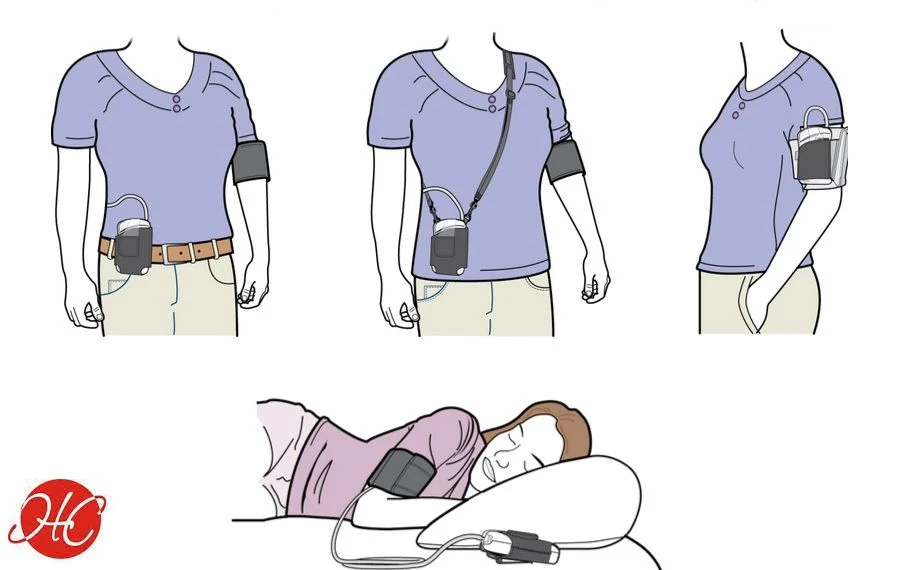
By analysing ambulatory blood pressure monitoring, the cardiologist determines blood-pressure values during the day and night. At night, blood pressure is considerably lower during rest and sleep, when there are no daily stressors. Daily stressors and a hurried lifestyle can affect blood-pressure spikes. The analysis provides average daytime and night-time blood-pressure values. Ambulatory blood pressure monitoring should be indicated for spikes or fluctuations in blood pressure despite therapy. It is necessary when establishing a diagnosis of hypertension.
CREATOR: gd-jpeg v1.0 (using IJG JPEG v62), quality = 82
Only by reviewing the ambulatory blood pressure monitoring report can the cardiologist obtain a clear picture of changes in blood pressure and a basis for deciding on treatment. The difference between daytime readings during activity and night-time readings during rest is particularly important. For a patient already receiving treatment, the cardiologist can assess the response and whether the treatment is appropriate.