


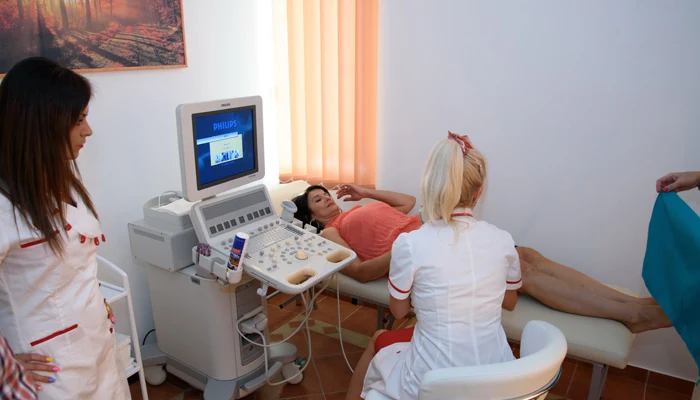
Only a few true questions can prevent osteoporosis, a disease of reduced bone mass, because of which bones become brittle and prone to fractures. Most patients, mostly women, face an advanced disease only when they first break a bone, so they learn about the disease by chance.
Rheumatologist dr Sandra Živanović from Kragujevac explains which five questions can help women preserve their health and ensure old age without pain.
– Osteoporosis is an insidious disease; it does not hurt. It can be recognised in time by its risk factors. The doctor will first learn about them by asking the patient. The first question is: at what age did you stop menstruating? If this was before the age of 45, it is already a risk factor for osteoporosis. The second question is: have you ever had an illness for which you used prednisone for a long time? It is a corticosteroid. Long-term use means taking this medicine daily for three months. The third question is: did your mother have a hip fracture before the age of 75? This tells us about genetics, whether the collagen in the bones is “bad”. The fourth question is: does the patient have chronic illnesses and, if so, which ones? Many can affect bone quality. These include diabetes, increased thyroid function, diseased kidneys and liver disease, explains dr Živanović.
Another question that can save many people’s bones at the last moment is whether the patient has ever fallen from their own height – for example, slipped on ice, fallen and broken an arm.. This cannot happen to a healthy person; it is not something that should happen if the patient is under 75 years of age. It already indicates osteoporosis, explains dr Živanović, referring to information unfamiliar to most laypeople.
It is crucial to recognise and treat osteoporosis in time. Once it is well established, “we doctors are chasing it, we are already falling behind, and it is harder to treat”, the doctor explains.
– My aim is to diagnose this disease before it becomes osteoporosis, while it is still known as osteopenia. In osteopenia, bone density is reduced by 10 to 25 per cent; in osteoporosis, it is reduced by more than 25 per cent. We doctors most like to have such a patient because it is then much easier to keep them in good condition, explains dr Sandra Živanović.
When a patient arrives at the consultation room, the concentration of vitamin D, calcium, and phosphorus is checked at the start. This is extremely important. Based on these results, further treatment is determined. Asked what women can do as prevention for osteoporosis, dr Živanović emphasises that women most often take large amounts of calcium, which is not a good solution. The doctor says that calcium should never be taken without reason. It is vitamin D that "draws" calcium, enabling calcium to be absorbed from the intestines.
- Vitamin D should not be taken without medical advice. In osteoporosis, we doctors determine how much of this vitamin to prescribe to the patient according to the vitamin D concentration. Then we monitor the changes. Only then do we add calcium. With vitamin D, we also prescribe medications that stop bone breakdown. There is a wide range of medications used in these cases. Treatment is followed up with constant monitoring, over months and years, checking whether the patient has moved from osteoporosis to osteopenia. Bone gradually recovers over time, says the doctor.
Dr Živanović emphasises that there is a treatment for every bone disease, that rheumatology has advanced considerably in recent years, and repeats that “old age should not hurt”.
Source: www.telegraf.rs (M. Raca)